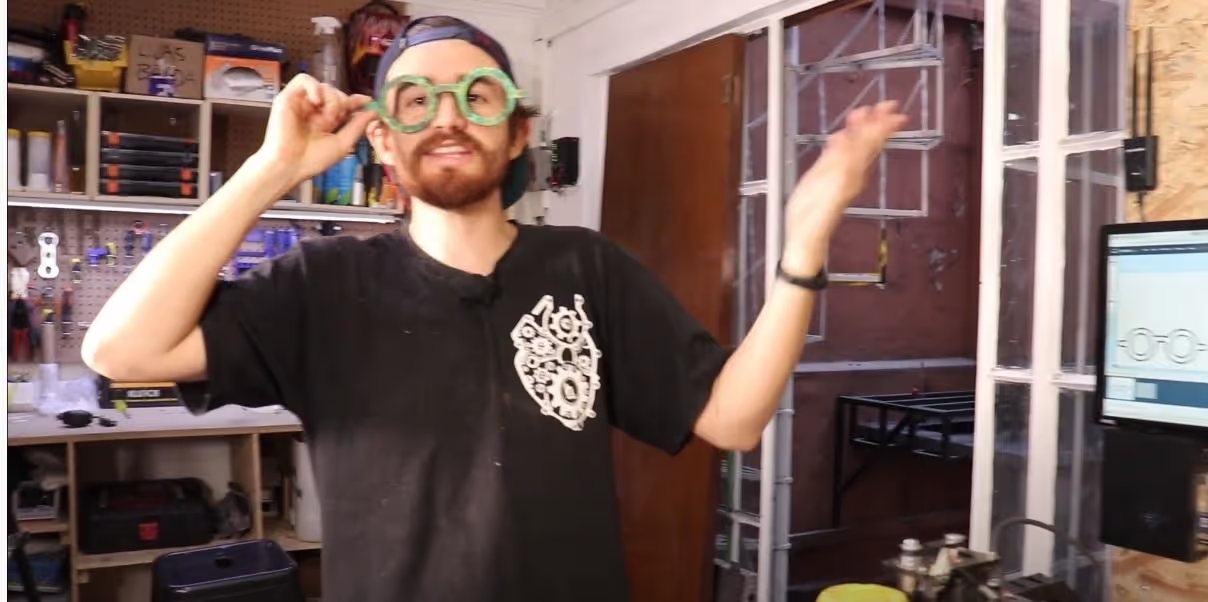
CNC plastic sheets into products
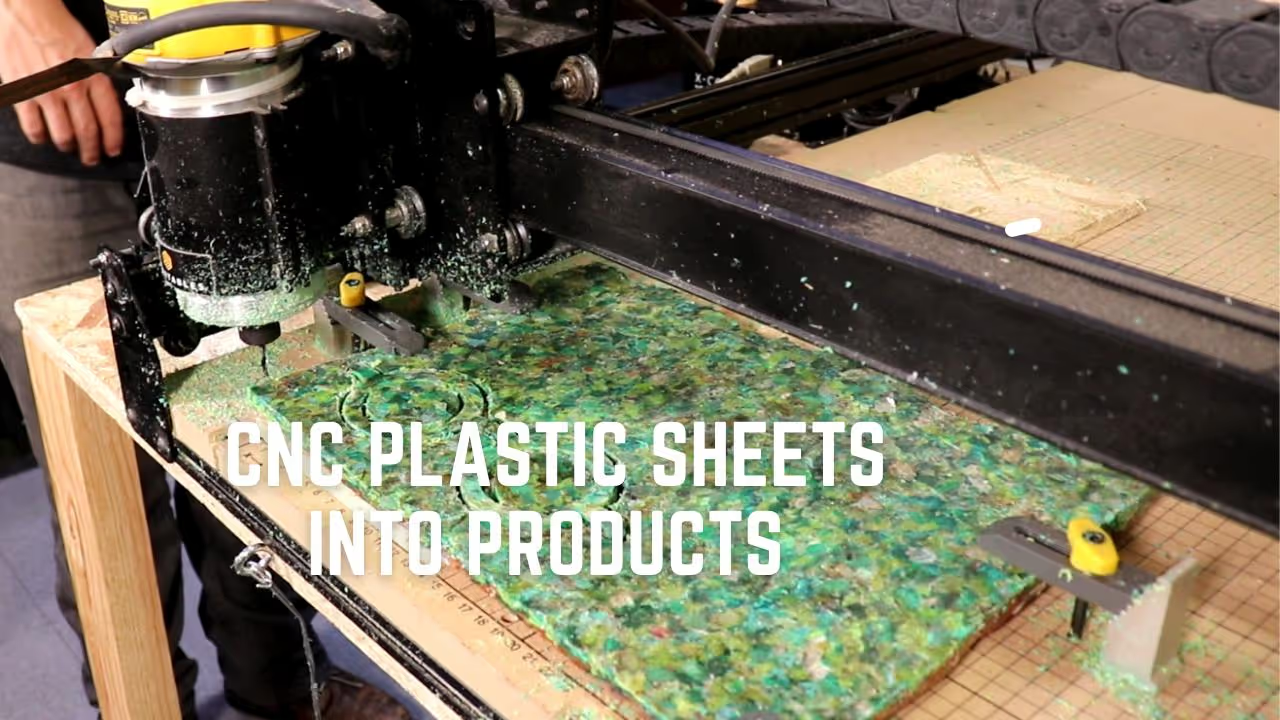
HDPE
CNC plastic sheets into products
HDPE
In this how to, I will show you our process to cut HDPE Sheets using a X-Carve CNC.
Here is the full video in spanish with subtitles https://www.youtube.com/watch?v=4LrrFz802To
Browse Files
Table of Contents
For this step we need to meassure our plastic sheet: Height, Width and Thickness. Our X-Carve machine works with the CAM Software EASEL, for me, the easiest software for CNC milling out there.
The cool thing about Easel (easel.inventables.com: easel.inventables.com/) is that you can "simulate" you actual material and THEY EVEN HAVE HDPE 2-Colors in their cutting material lists!!
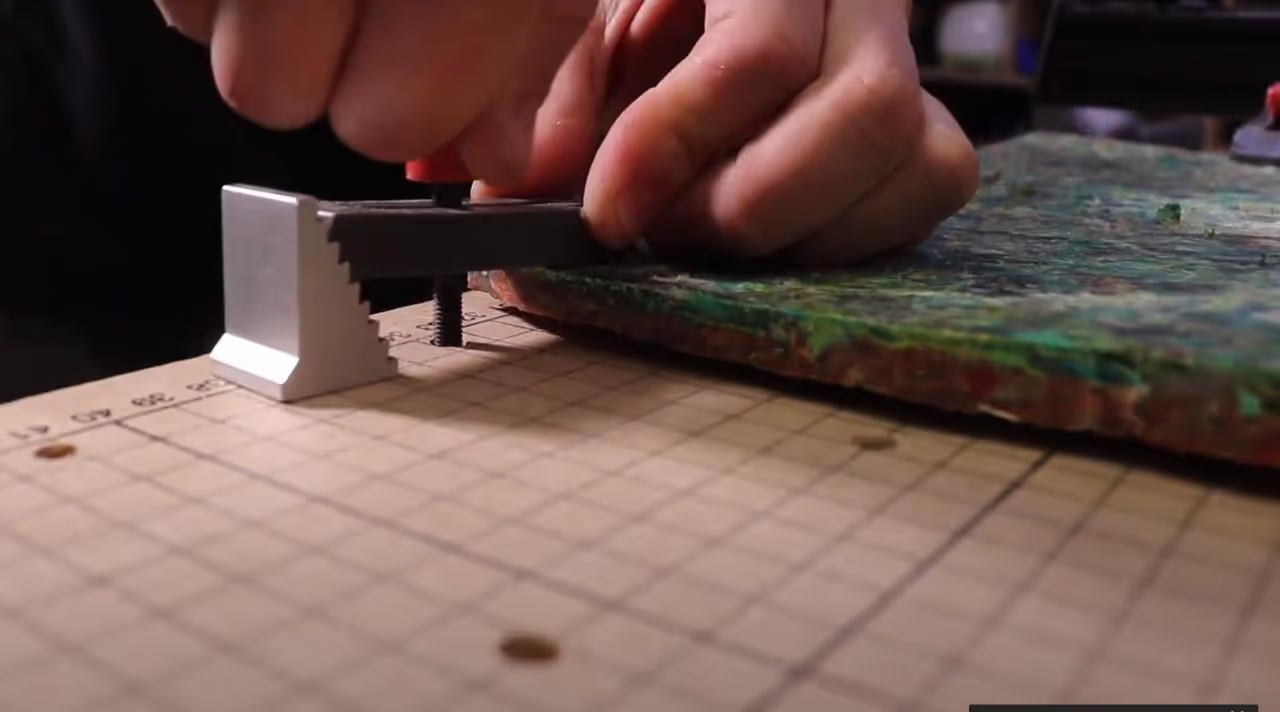
Using the CNC clamps from the X-Carve, secure the sheet to the table,
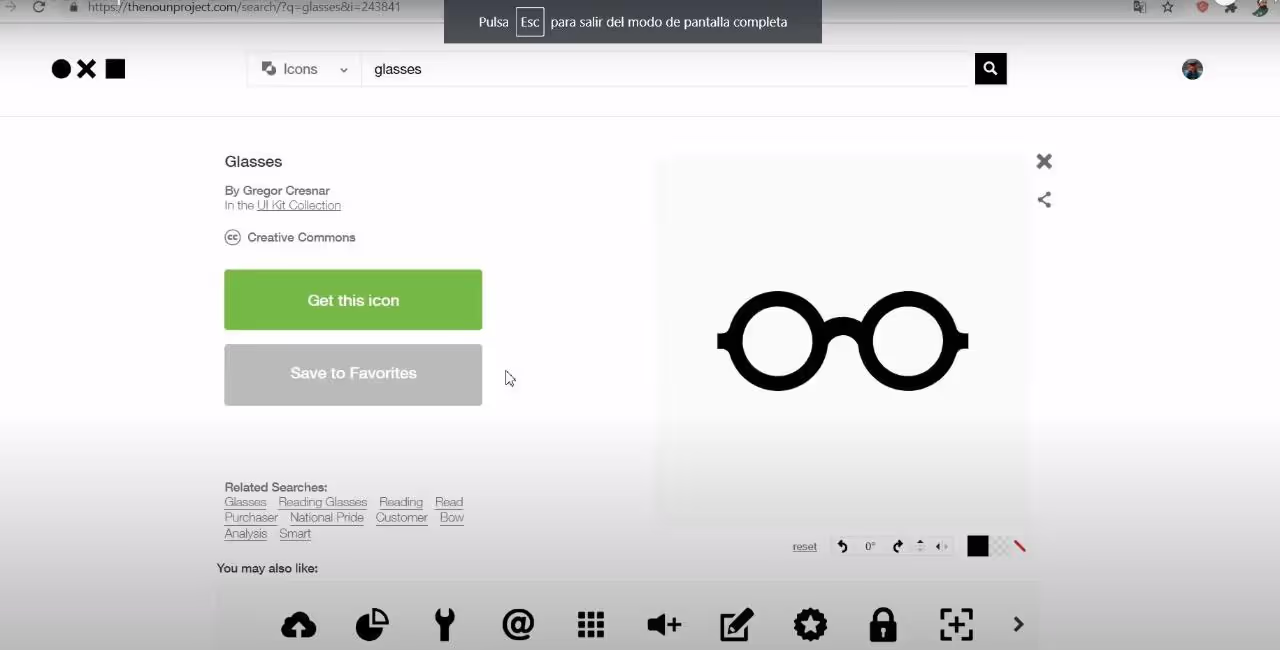
Now we go to our illustrator, such as Inkscape to design a vector file or download and open source one frome thenounproject.com: thenounproject.com
We download the SVG file, which is an open source vector format and import it to Easel.
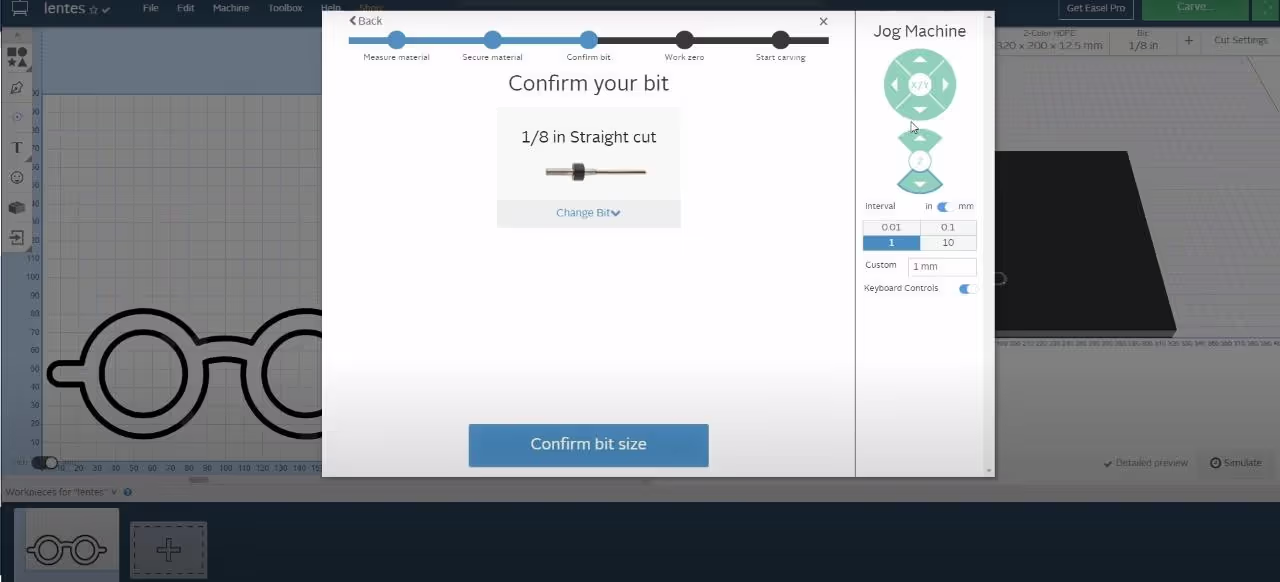
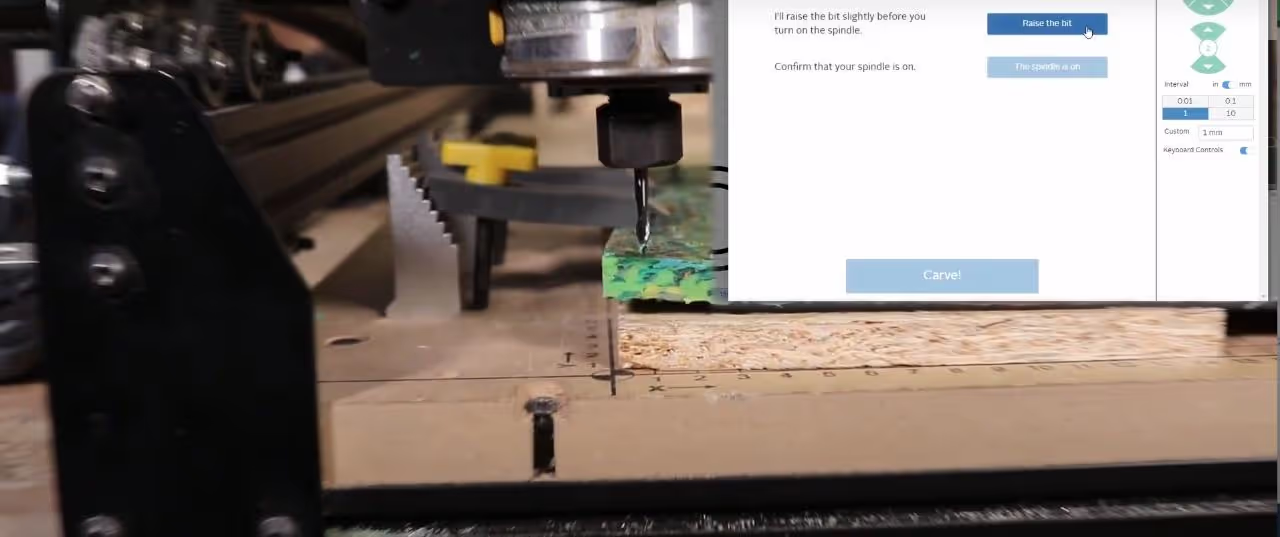
Now with the file we can choose the width we want to carve/cut and then we go to cut and start the wizzard:
AND PUM THE MAGIC BEGINS!!
Normaly we cut wood, acrylic and aluminum in the CNC. Moving to plastic wasn't hard at all, it's impressing how easy the CNC Router cuts through HDPE. It's quicker than cutting wood and 10 times than aluminum.
The main problem we have with the HDPE sheets is that we don't always have even surfaces, because of our sheet making process, resulting in uneven cuts and engravings.
That's why we sometimes do a first pass with the CNC Router "cleaning" the surface of the sheet and trying to mill an even surface.
You take now your glasses or object and postprocess them and of course show it to your friends, family and so on.